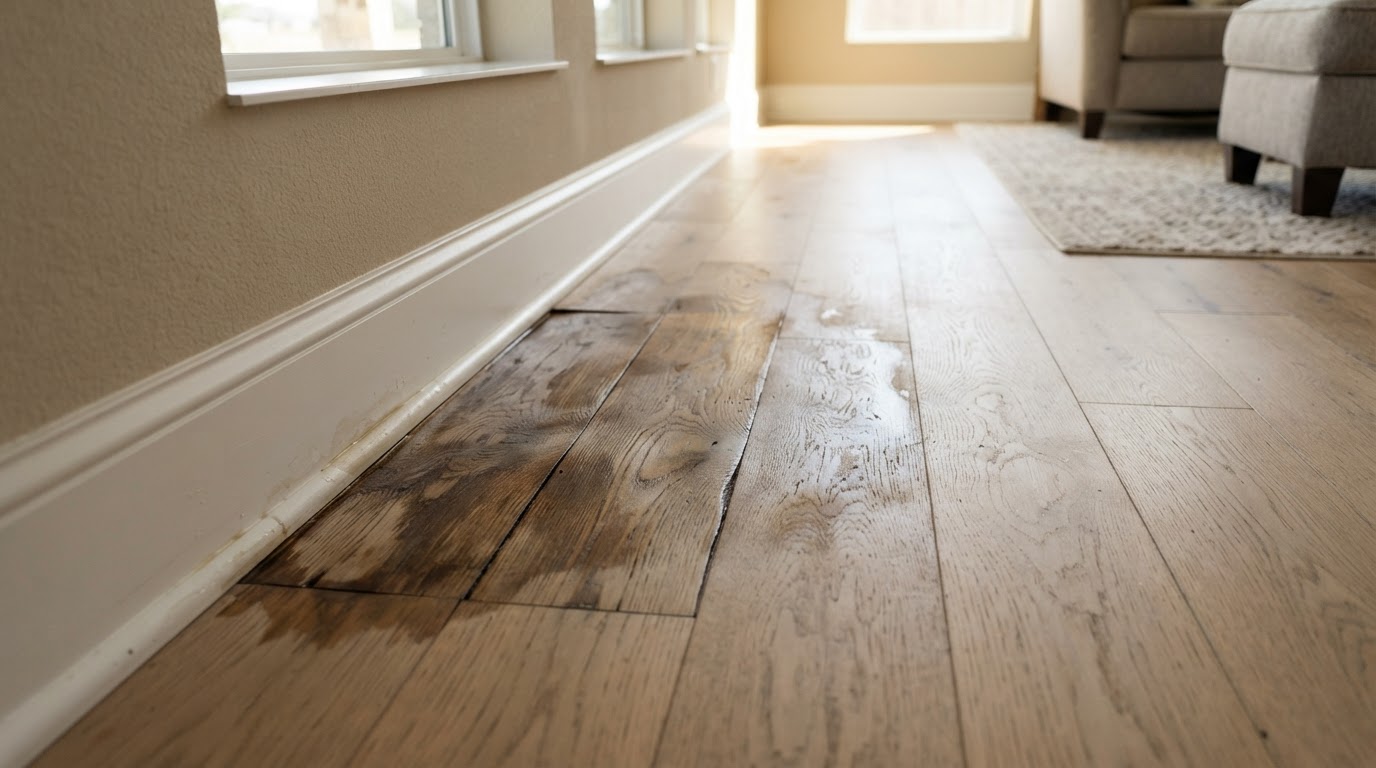
A slab leak is a leak in the plumbing that runs beneath your home's concrete foundation. Because it's buried, you usually notice the symptoms before you ever see the water. Knowing the warning signs early can keep a slow leak from turning into a much bigger problem.
What a Slab Leak Actually Is
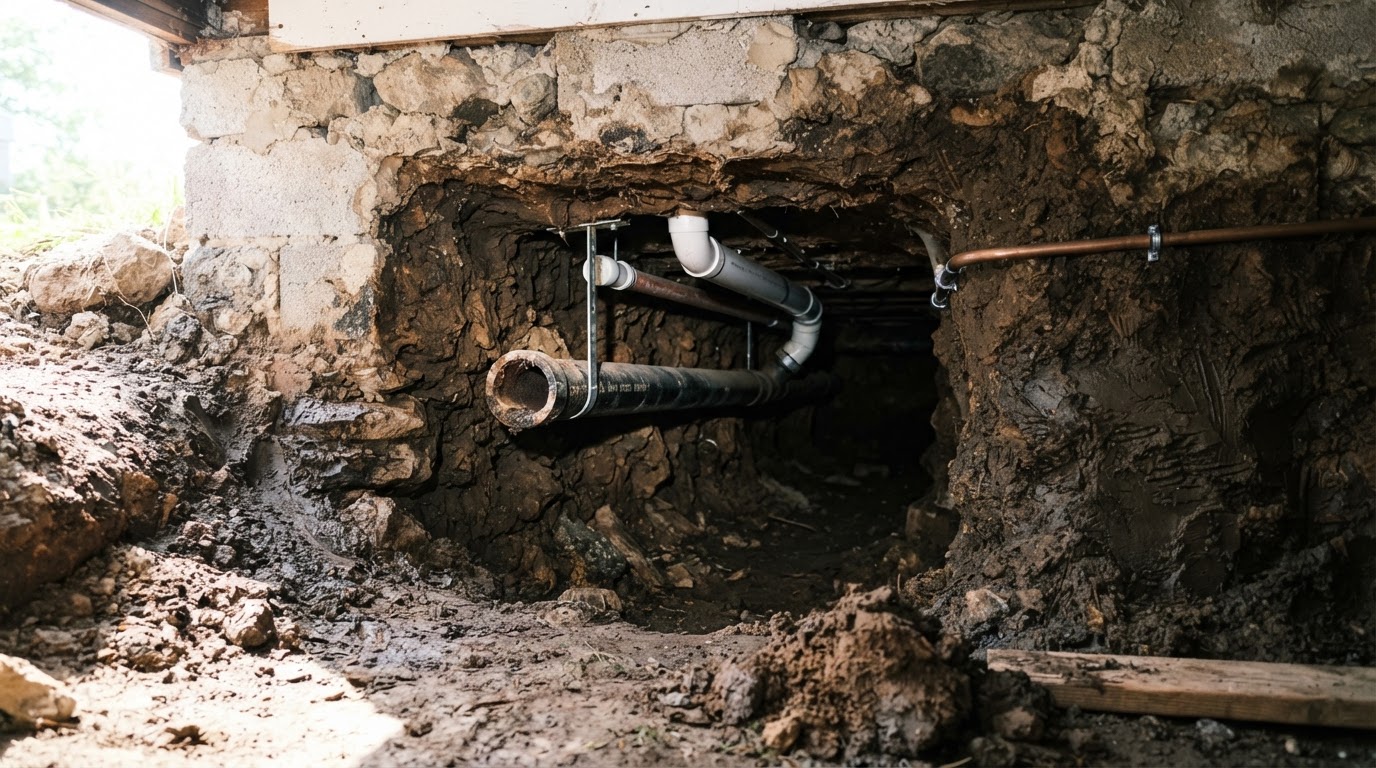
Your home sits on a concrete slab, and the water lines that feed your fixtures often run beneath or through that slab. When one of those lines fails, water escapes under the foundation — where it can go unnoticed for weeks. The leak isn't something you can see directly; you find it through the signs it leaves behind.
Slab leaks can happen on the pressurized water side or the drain side, and the symptoms differ. A water-side leak tends to make itself known through your water bill and warmth. A sewer-side leak can be slower and quieter.
Warning Signs to Watch For
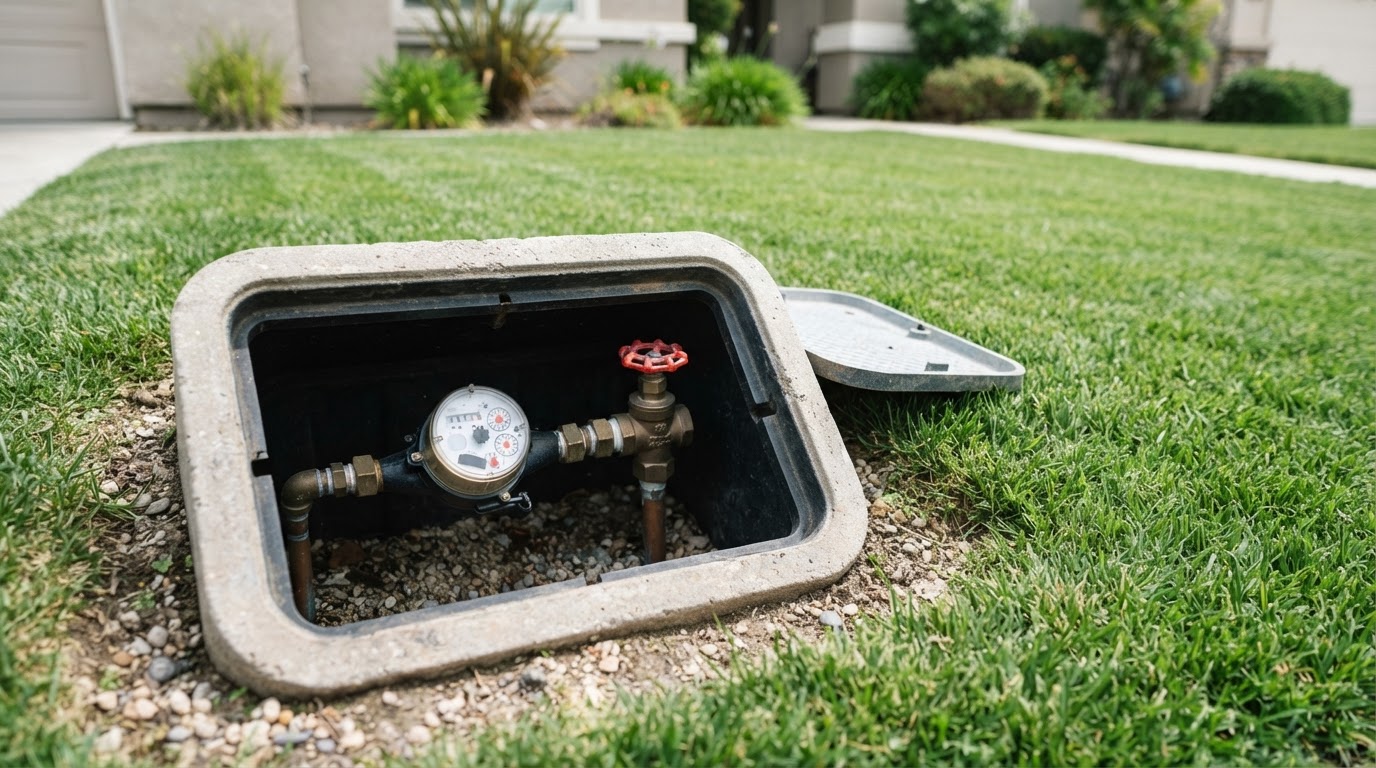
- An unexplained spike in your water bill
- Warm spots on floors that shouldn't be warm
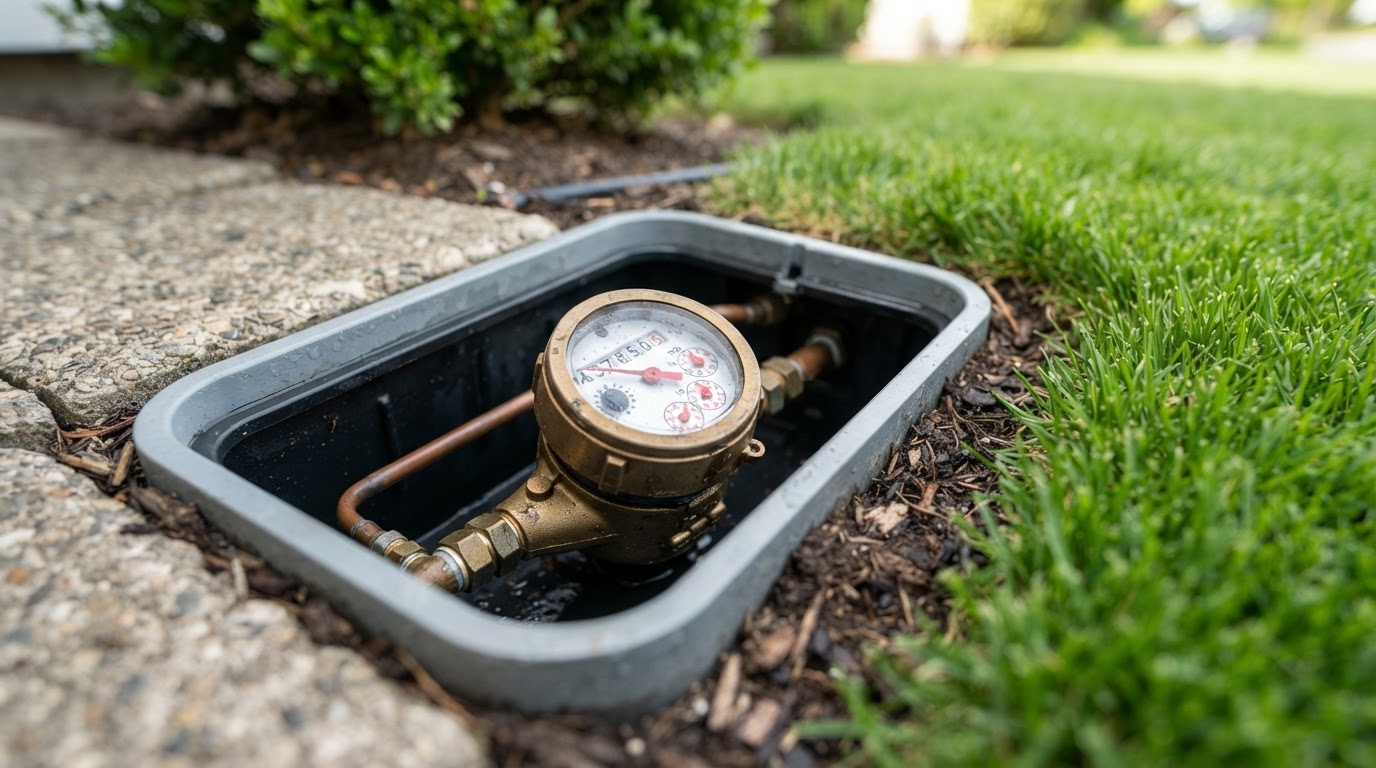
- The sound of running water when nothing is turned on
- Damp, warped, or cracked flooring
- Low water pressure in one area
- Sewer odors inside or outside the home
Why Slab Leaks Are Hard to Find
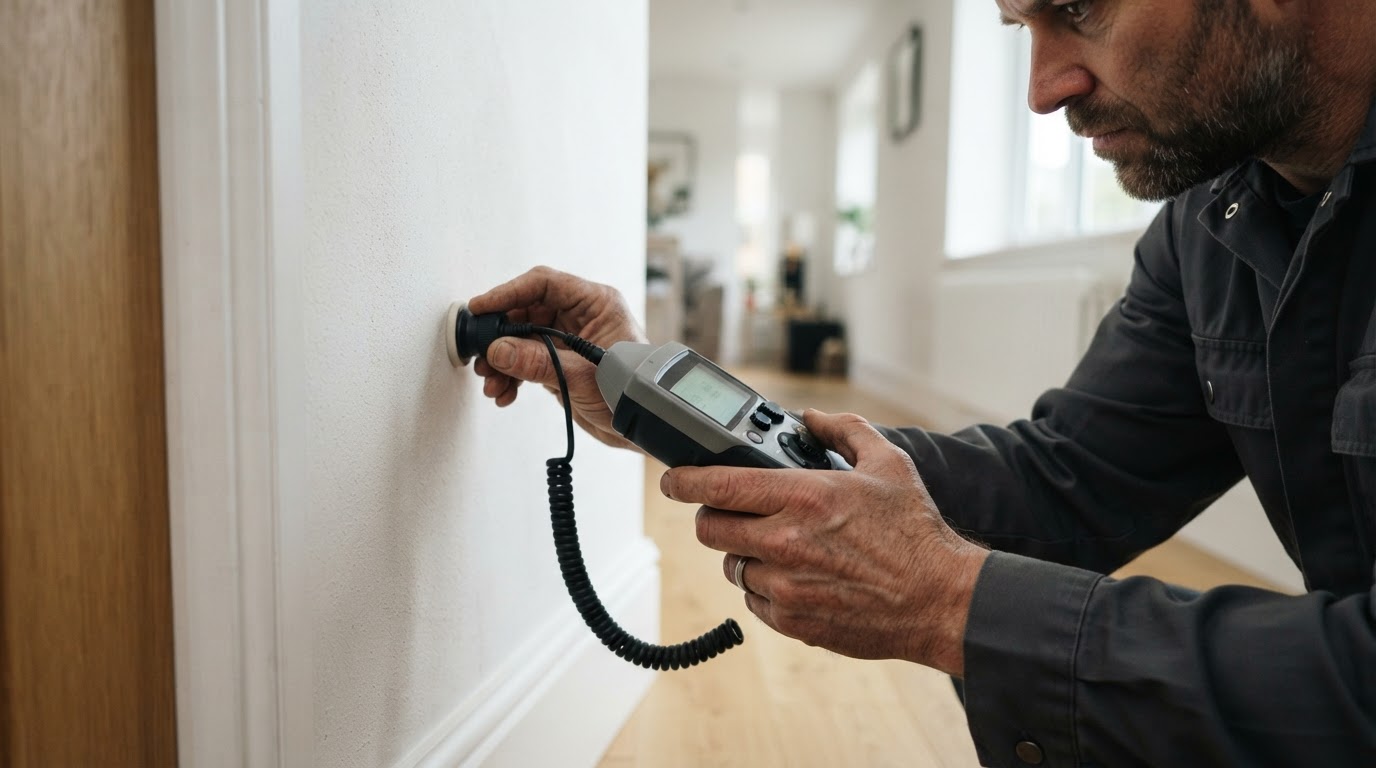
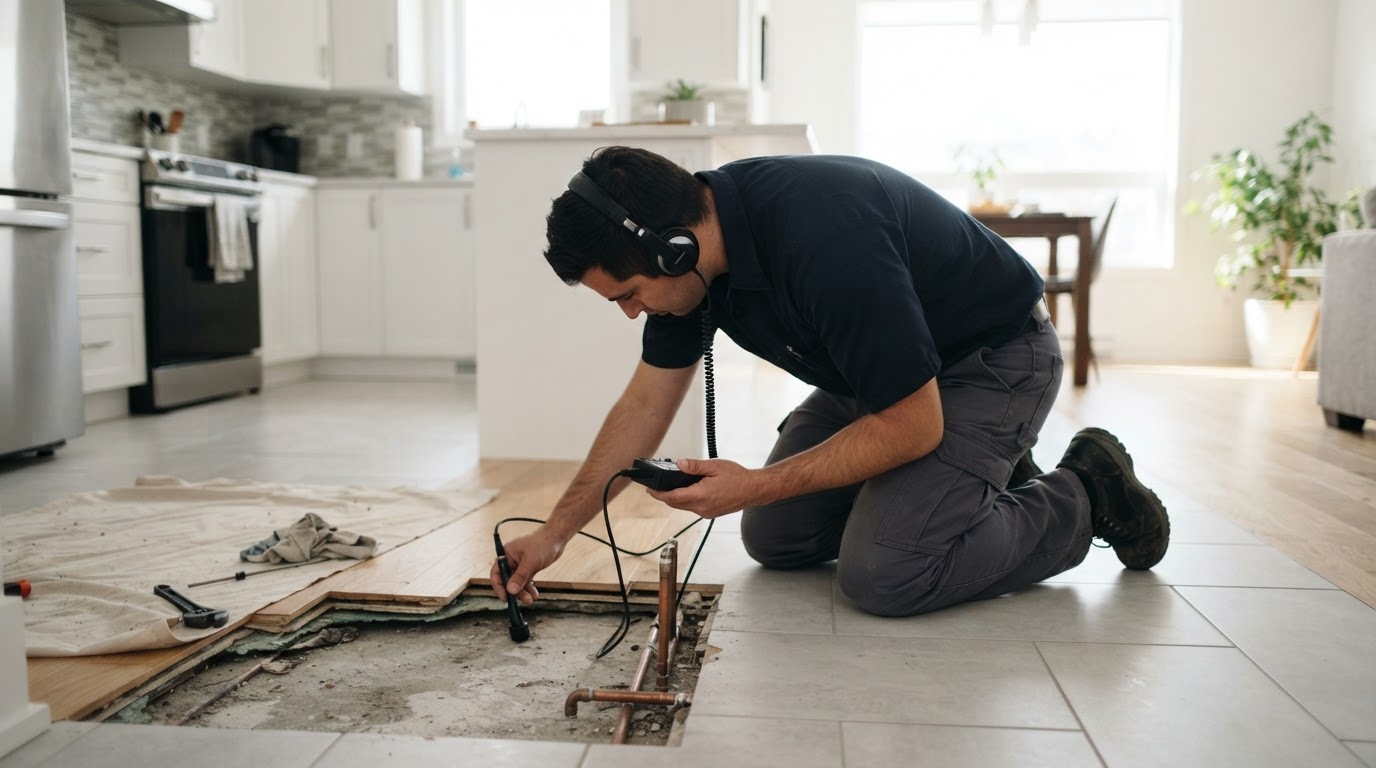
Because the leak is under the foundation, the visible signs can point in the wrong direction. A warm spot on the floor might be nowhere near the actual break. Leak-detection equipment helps, but reading what it tells you — and ruling out false signals — is what pinpoints the real source. That interpretation is where experience matters.
If you're in Dallas–Fort Worth or Ellis County and noticing these signs, our leak location work is built exactly for this.
What to Do Next
First, don't ignore it — a slab leak doesn't heal itself. Second, avoid the temptation to start digging before you know where the problem is. The right first step is diagnosis: locate the leak precisely, then decide how to reach and repair it.
Depending on what we find, the fix might be a targeted repair, a reroute, or in some cases part of a larger repipe. We handle locating, reaching, and repairing under one roof.
If You've Already Had Someone Look
We're often called after another company came out and couldn't find the leak — or found the wrong thing. A second look isn't about redoing their work; it's about taking the time to read what the equipment is actually telling you and confirm the location before anyone digs.
Diamondback Plumbing & Leak Locate — serving Dallas–Fort Worth and Ellis County.