A failing sewer line rarely fails quietly — but it's easy to mistake the early signs for an ordinary clog. Knowing the difference can keep you from chasing symptoms while the line keeps getting worse.
More Than a Clog
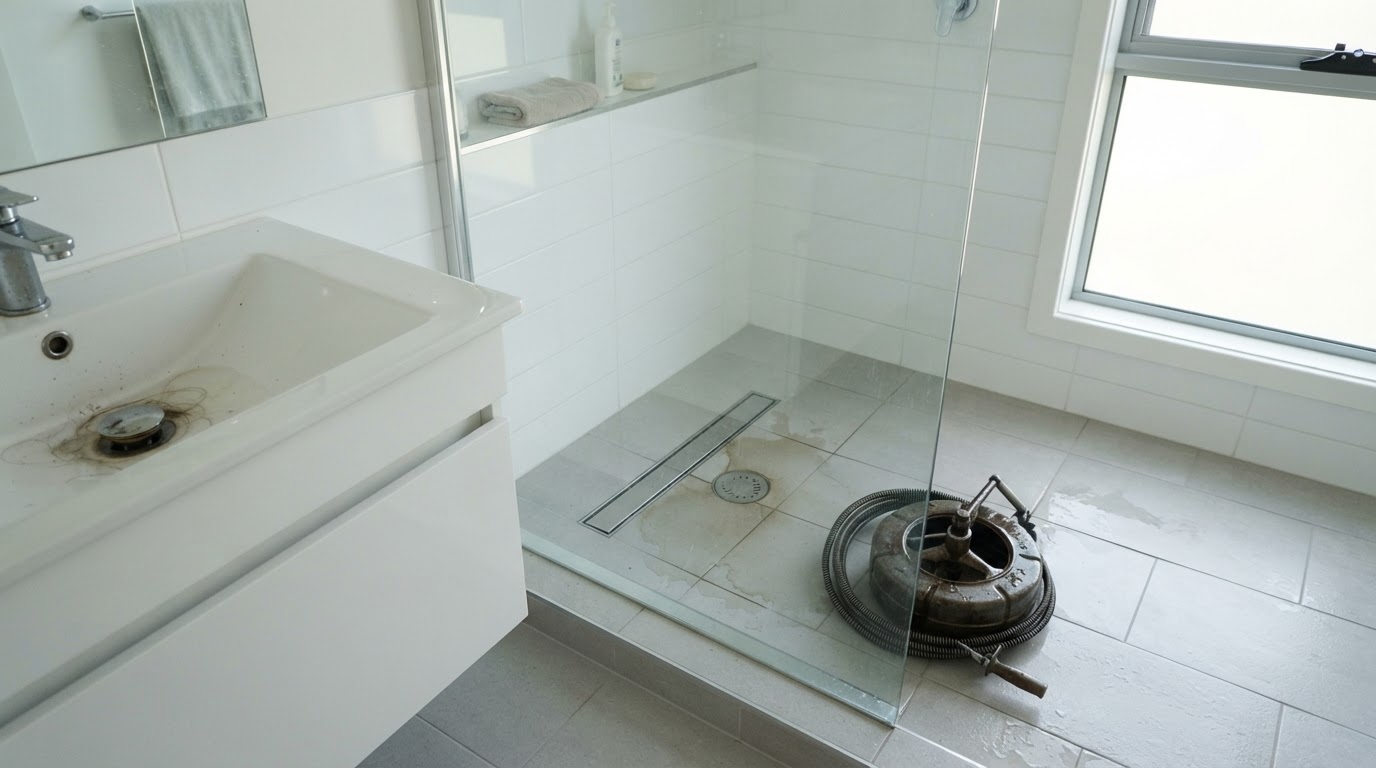
A single slow drain is usually a local clog. A failing sewer line tends to show up across more than one drain at the same time, because the problem is in the main line that serves them all. The distinction matters: a clog gets cleared, a failing line gets diagnosed and repaired.
If the same drains keep backing up after they're cleared, that's a sign you're past a simple clog.
Warning Signs
- Recurring backups in the same drains
- Multiple slow drains at the same time
- Sewer odors inside or outside
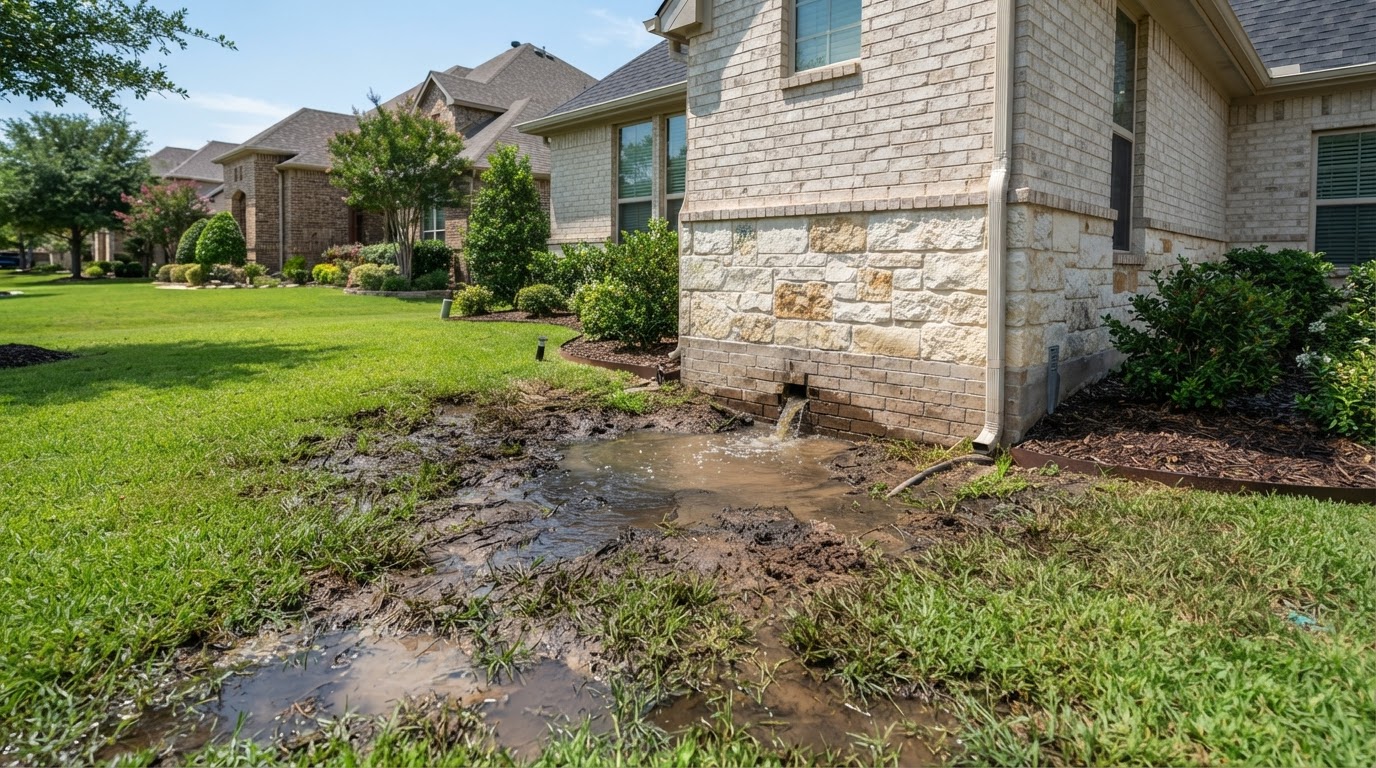
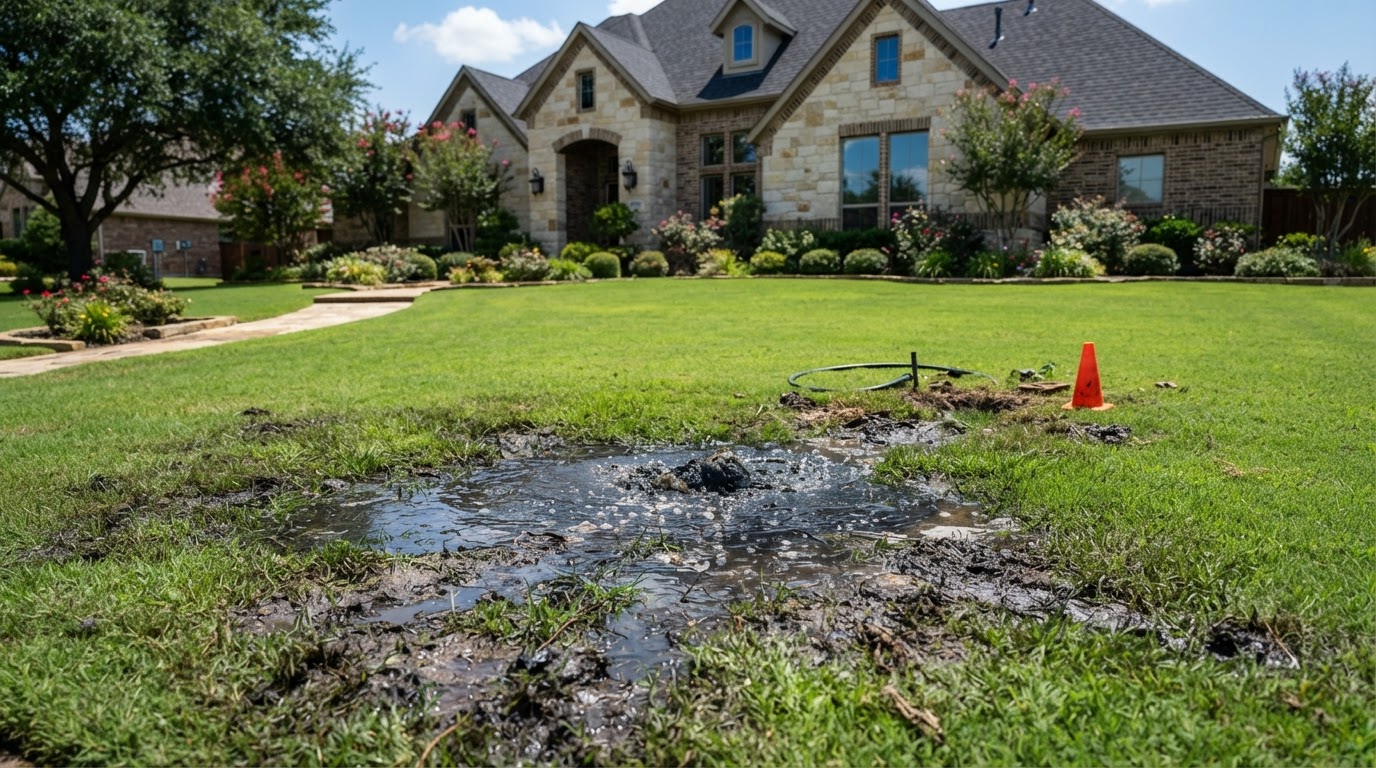
- Wet, soggy spots in the yard
Diagnosis Before Digging
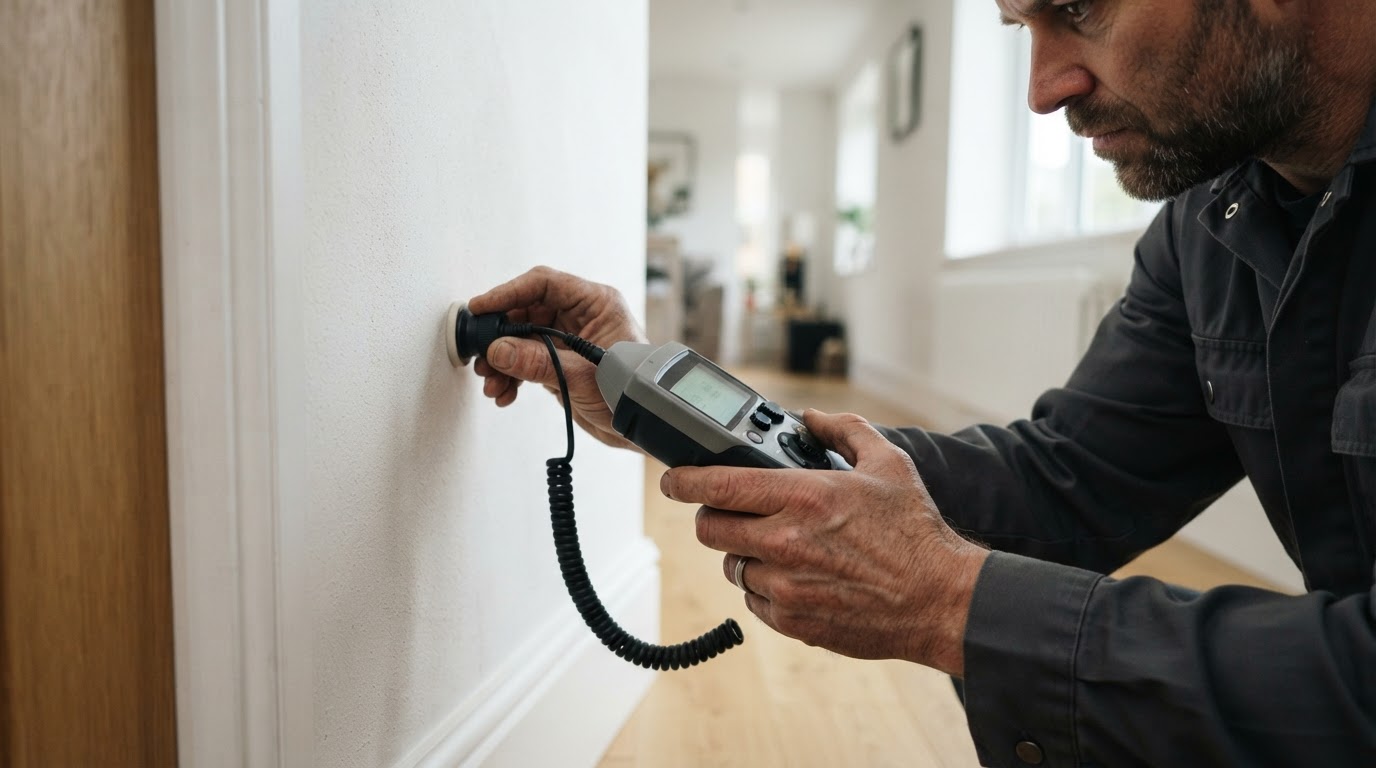
The first step with a sewer problem is figuring out where and why it failed — not grabbing a shovel. We locate the failure along the line and confirm what's actually wrong before recommending a repair or replacement. A guess can mean a trench you didn't need.
In Dallas–Fort Worth and Ellis County, we handle this diagnosis regularly.
Repair or Replace
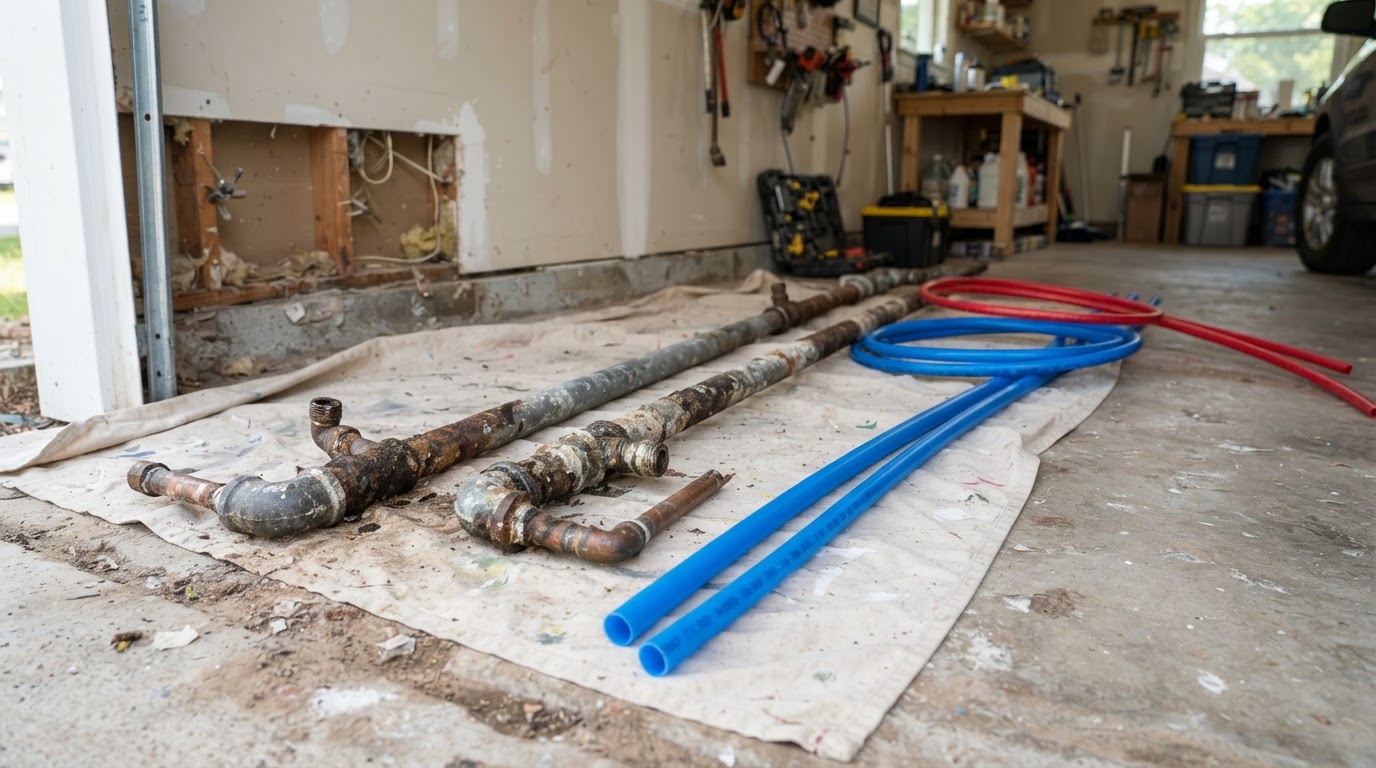
Once we've diagnosed the failure, the fix might be a targeted repair of the failed section or a full line replacement, depending on what we found. Either way, our crews carry the work through to completion — including the excavation. If the line is failing because the broader system is aging, a repipe may be part of the conversation.
Diamondback Plumbing & Leak Locate — serving Dallas–Fort Worth and Ellis County.